
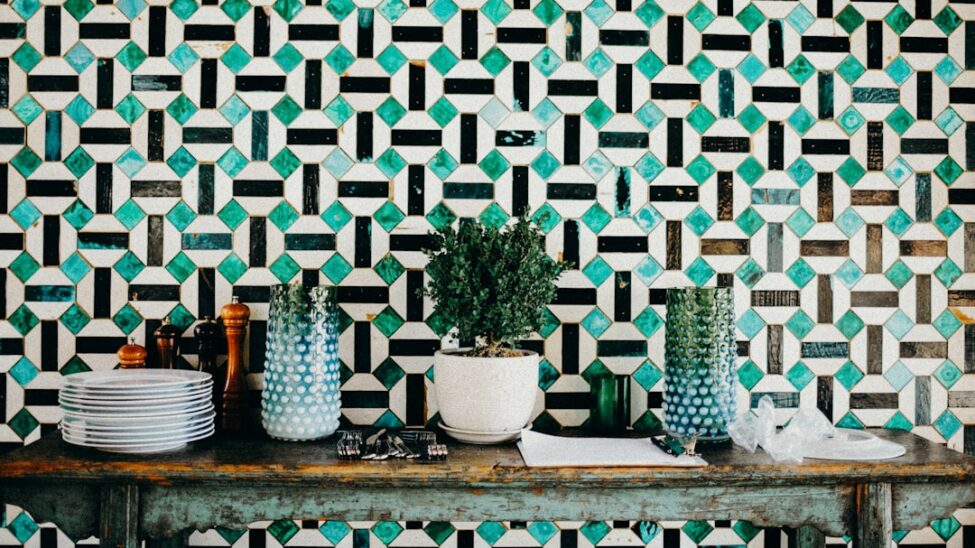
The Art of Mixing Patterns and Textures in Decor
Decorating your space is not just about choosing colors and furniture; it’s about creating an atmosphere that reflects your personality and values. One of the most effective ways to achieve this is through the art of mixing patterns and textures. This approach not only adds visual interest but also creates a layered, inviting environment. In this article, we will explore how to successfully blend different patterns and textures while maintaining a cohesive and stylish look.
Understanding Patterns and Textures
Patterns are the visual designs that can be found on fabrics, wallpapers, and other surfaces. They can range from geometric shapes to floral designs, and each type brings its own character to a space. Textures, on the other hand, refer to the surface quality of materials, such as smooth, rough, soft, or hard. Understanding the difference between these two elements is crucial when it comes to mixing them effectively. By combining various patterns and textures, you can create a dynamic and engaging decor that tells a story.
When selecting patterns, consider the scale and complexity. Large, bold patterns can serve as focal points, while smaller, intricate designs can complement them without overwhelming the space. Similarly, when it comes to textures, think about how different materials can work together. For instance, pairing a soft velvet sofa with a rough jute rug can create a beautiful contrast that enhances the overall aesthetic of the room.
Creating Balance and Harmony
One of the key principles of mixing patterns and textures is achieving balance. This can be done by ensuring that the colors and styles of the patterns complement each other. A good rule of thumb is to choose a dominant pattern and then select one or two secondary patterns that harmonize with it. This creates a sense of unity in the decor while still allowing for visual diversity. For example, if you have a large floral print on your curtains, you might choose a smaller geometric pattern for your throw pillows.
In addition to color and style, consider the scale of the patterns you are using. Mixing patterns of different scales can add depth to your decor. For instance, pairing a large-scale pattern with a small-scale one can create a pleasing contrast that draws the eye around the room. Remember to keep the overall color palette in mind to ensure that everything feels cohesive and intentional.
Incorporating Sustainable Choices
As you embark on your journey of mixing patterns and textures, it’s essential to consider the sustainability of your choices. Opting for eco-friendly materials not only benefits the environment but also enhances the quality of your living space. Look for fabrics that are certified by standards such as Fair Trade or Global Organic Textile Standard (GOTS), which ensure ethical sourcing and production practices. These certifications can provide peace of mind and build trust in the products you choose.
Incorporating sustainable decor elements can also add unique textures and patterns to your space. For example, reclaimed wood furniture or organic cotton textiles can introduce natural beauty while supporting eco-conscious practices. By making thoughtful choices, you can create a stylish and responsible living environment that reflects your values.
Practical Tips for Mixing Patterns and Textures
To successfully mix patterns and textures, start by creating a mood board that showcases your desired color palette and design elements. This visual guide can help you see how different patterns and textures will work together before making any purchases. Additionally, consider the function of each space. For example, in a cozy living room, you might want to use softer textures and warm patterns to create an inviting atmosphere, while a more formal dining area could benefit from sleek lines and sophisticated patterns.
Don’t be afraid to experiment with different combinations. Sometimes, the most unexpected pairings can yield stunning results. If you’re unsure, start small by incorporating patterned accessories like cushions or throws, and gradually build up to larger pieces. Remember, the goal is to create a space that feels comfortable and reflects your personal style, so trust your instincts and have fun with the process.
Conclusion: Embrace Your Unique Style
Mixing patterns and textures in decor is an art that allows you to express your individuality while creating a warm and inviting space. By understanding the principles of balance and harmony, incorporating sustainable choices, and following practical tips, you can achieve a beautifully styled environment that resonates with your values. Embrace the process of experimentation and let your creativity shine as you transform your home into a reflection of your unique style.
Ultimately, the art of mixing patterns and textures is about more than just aesthetics; it’s about creating a space that feels like home. By making thoughtful choices and embracing your personal style, you can curate a decor that is not only visually appealing but also meaningful and sustainable. So go ahead, mix it up, and enjoy the journey of decorating your space with intention and flair.